
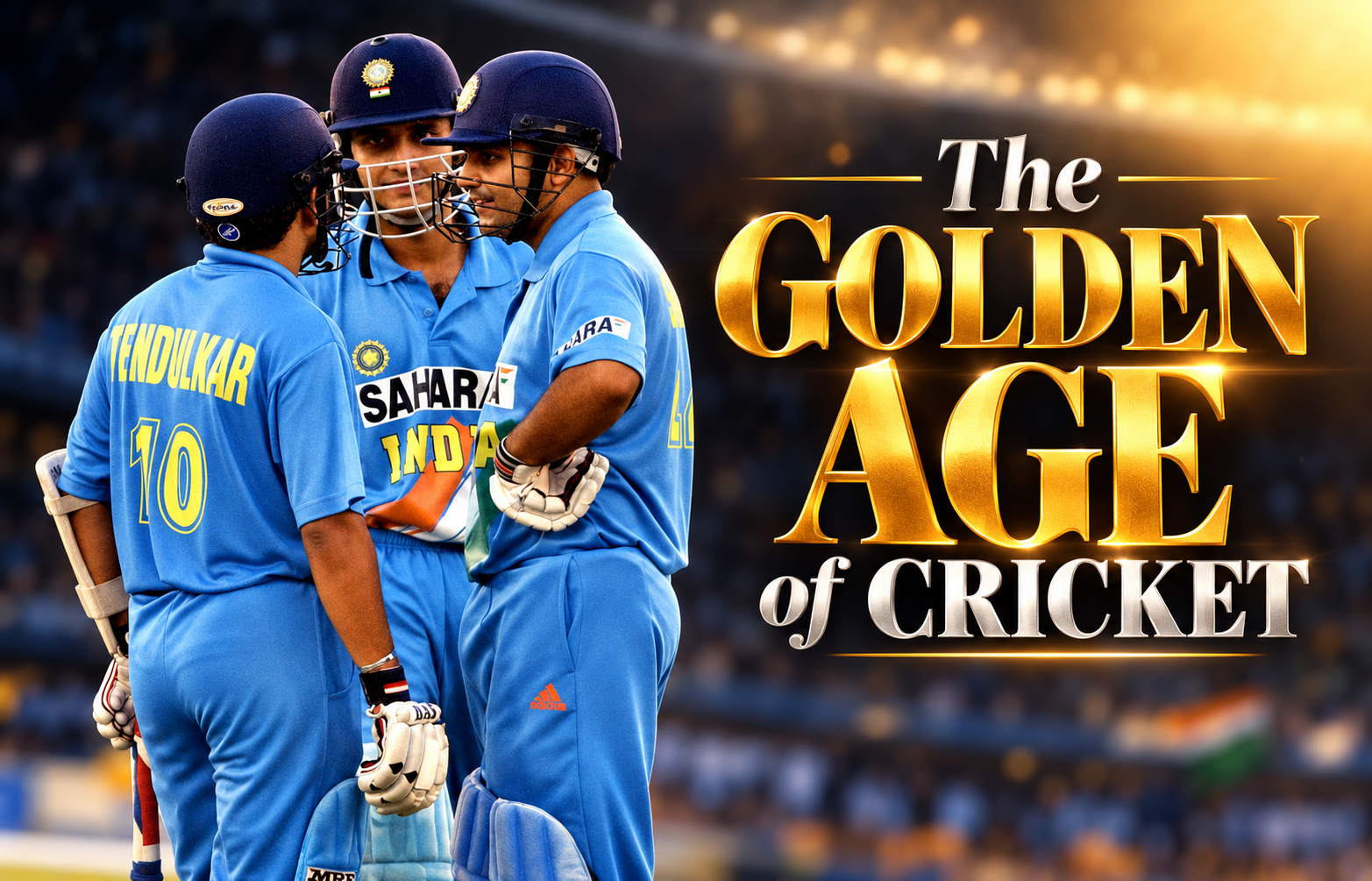
The Golden Age of Cricket: A Journey Through the Era That Shaped the Game
Cricket has witnessed countless transformations throughout its history, but few periods have left a mark as profound as the Golden Age. Spanning the late 19th and early 20th centuries, this remarkable era saw cricket evolve from a traditional pastime into a globally recognised sport, laying the foundations for the modern game.
From legendary players and unforgettable rivalries to historic matches that captured the imagination of fans, the Golden Age was a defining chapter in cricket’s journey. It was a time when the sport developed its identity, established its international presence, and created a legacy that continues to influence generations of cricketers.
The Golden Age: When Cricket Came Into Its Own
The Golden Age of Cricket marked a turning point in the sport’s evolution. As cricket became more organised and competitive, the introduction of official Test matches and the establishment of standardised rules helped transform it into a structured international game.
The late 1800s and early 1900s witnessed cricket’s growing popularity, with matches attracting larger audiences and players earning recognition for their extraordinary abilities. The sport began expanding beyond its traditional strongholds, building a global following that would continue to grow over the decades.
More than just a period of sporting excellence, the Golden Age laid the groundwork for modern cricket. The techniques, strategies, and traditions established during this time became essential elements of the game’s evolution.
The Legends Who Defined an Era
Every golden era has its heroes, and cricket’s was no exception. The period produced some of the most celebrated names in the sport, players whose achievements helped redefine batting, bowling, and leadership.
W.G. Grace remains one of cricket’s most influential figures. Often regarded as a pioneer of modern batting, Grace revolutionised the way the game was played through his remarkable technique, commanding presence, and competitive spirit.
Jack Hobbs became another towering figure, earning admiration for his consistency and mastery with the bat. His performances set new standards for opening batters and established him as one of the finest players of his generation.
The era also saw the emergence of Don Bradman, whose extraordinary batting records would eventually place him among the greatest cricketers of all time. His dominance at the crease captured the imagination of cricket fans and demonstrated just how far the art of batting could be taken.
These players were more than sporting icons. They were pioneers who shaped cricket’s identity and inspired future generations to push the boundaries of what was possible on the field.
Historic Matches That Captured Cricket’s Imagination
The Golden Age was filled with dramatic encounters and unforgettable moments that helped elevate cricket into a major sporting spectacle.
At the heart of it all was the intense rivalry between England and Australia. The Ashes series became the ultimate test of skill, pride, and national identity, producing some of the most compelling contests in cricket history.
One of the most controversial chapters came during the 1932–33 Bodyline series. England’s aggressive bowling tactics, designed to counter Bradman’s batting dominance, sparked widespread debate and strained relations between the two teams. The series remains one of cricket’s most talked-about episodes, illustrating how fiercely the game was contested.
The 1912 Triangular Tournament, featuring England, Australia, and South Africa, was another significant milestone. It highlighted cricket’s growing international ambitions and demonstrated the potential for competition between multiple nations.
These matches were more than sporting contests. They became defining moments that shaped cricket’s history and strengthened its appeal to audiences around the world.
Rivalries, Captains and the Spirit of Competition
Cricket’s Golden Age was fuelled by fierce rivalries and remarkable leadership. No contest captured the spirit of the era quite like England versus Australia, with the Ashes becoming a symbol of sporting prestige and fierce competition.
Captains played a crucial role in shaping these encounters. Percy Chapman, who led England during a successful period in the late 1920s, was known for his attacking approach and tactical awareness. On the Australian side, Bill Woodfull earned respect for his calm leadership and resilience, particularly during the turbulent Bodyline series.
Their decisions, strategies, and ability to inspire teammates often proved decisive in the outcome of matches. Leadership during this era was not simply about managing a team; it was about navigating pressure, upholding traditions, and representing national pride.
The combination of talented players, influential captains, and intense rivalries gave cricket a compelling narrative that continues to resonate with fans today.
A Legacy That Lives On in Modern Cricket
The Golden Age may belong to the past, but its influence remains deeply embedded in the modern game.
The batting techniques developed by pioneers such as Grace and Hobbs, along with Bradman’s extraordinary approach to scoring runs, helped establish principles that continue to influence cricket coaching and player development.
The era also played a vital role in expanding cricket’s international reach. As the sport gained recognition across different regions, it created the foundations for the global cricketing community that exists today.
Although formats such as One Day Internationals and T20 cricket emerged much later, the evolution of the game during the Golden Age helped establish the traditions, competitive structures, and international interest that made these developments possible.
The Golden Age: Cricket’s Timeless Chapter
The Golden Age of Cricket was far more than a collection of historic matches and legendary performances. It was the period that helped shape cricket into the sport millions of fans cherish today.
From the brilliance of its greatest players to the drama of the Ashes and the emergence of international competition, this era established traditions that remain central to cricket’s identity.
Its influence can still be felt in every format, every rivalry, and every generation of players who step onto the field. The Golden Age may have ended, but its spirit continues to live on — a timeless reminder of the history, passion, and greatness that make cricket truly special.